by Joseph Brophy for the Maricopa Lawyer, a publication of the Maricopa County Bar Association
Five years ago, Arizona became the first state to allow non-lawyers to have ownership interests in law firms. This was not popular in many circles. The ABA passed a resolution affirming its commitment to law firms owned exclusively by lawyers, rebuking what Arizona did under the guise of protecting the public from non-lawyers who are driven by profit motive.
by Joseph Brophy for the Maricopa Lawyer, a publication of the Maricopa County Bar Association
At this point in the AI revolution, most lawyers will have read an article about an unfortunate, downtrodden, or overworked lawyer who made a fatefully ill-advised decision to rely on generative AI to “assist” them in drafting a motion. For those of you that have not heard, AI is not ready for prime time when it comes to legal research, analysis and especially case citations. There is a long list of lawyers who have learned the hard way that no matter how coherent and logical AI-generated legal analysis may look and sound, commercial large language model AI (ChatGPT, Grok, Perplexity) is prone to “hallucinations” – bad ones – that can leave a lawyer arguing gibberish and getting into ethical hot water. Indeed, a recent study of inquiries made to law-specific AI programs used by Westlaw and Lexis (which are far superior to commercial AI when it comes to use by legal practitioners) showed an error rate of 17%.
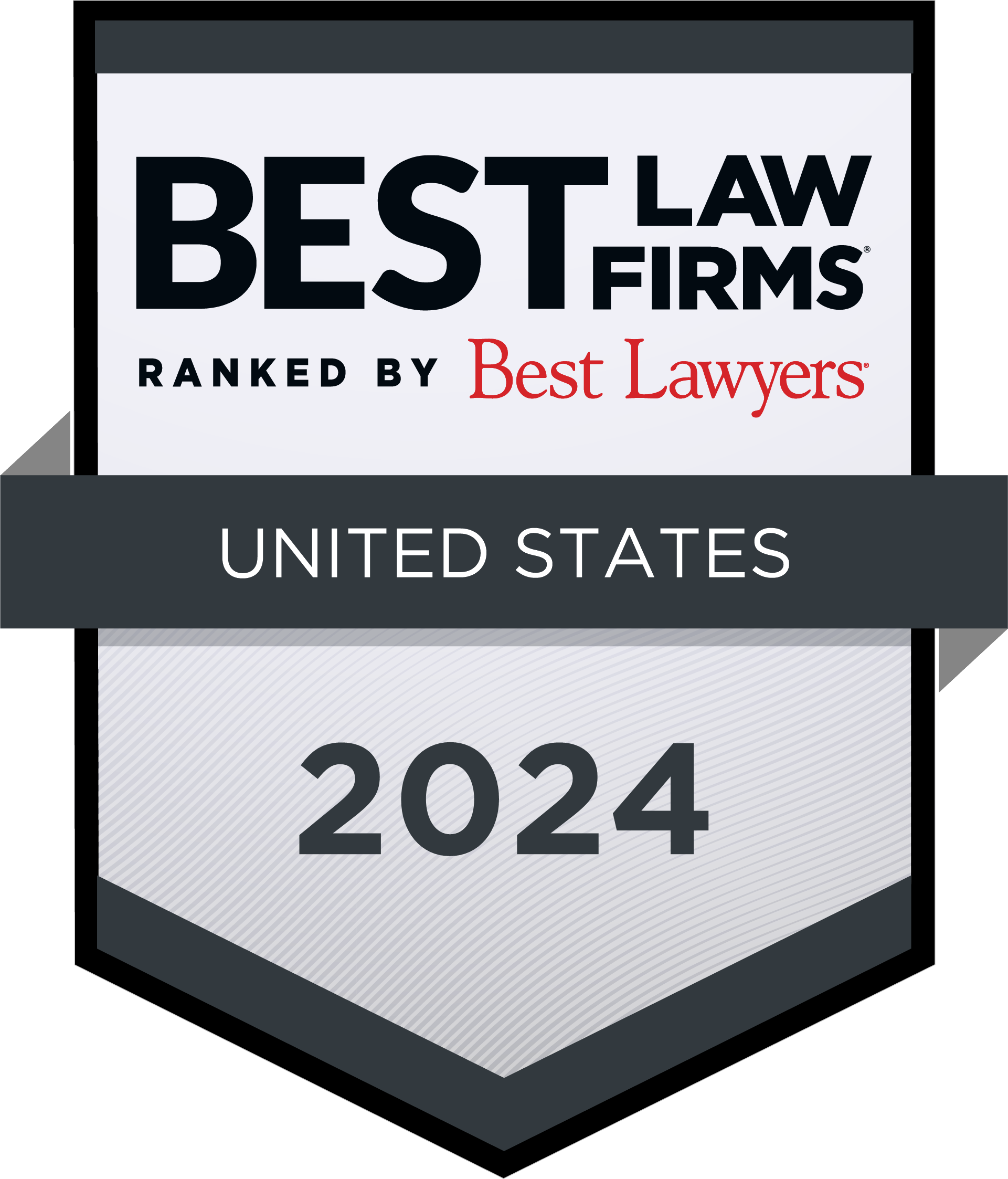
Jennings Haug Keleher McLeod Waterfall (JKW) is proud to announce that 34 of the firm’s legal practices earned top rankings in the 2026 edition of Best Law Firms® in America, including top rankings nationally for real estate litigation, commercial litigation, construction litigation, natural resources law and bankruptcy and creditor debtor rights/insolvency and reorganization law.
The 2025 Colorado General Assembly enacted a number of bills that change the field in a number of ways. H.B. 2025-1090 dramatically impacts engagement letters from accountants, attorneys, and other hourly billing professionals. H.B. 2025-1001 significantly broadens the definition of “employer” and otherwise expands the applicability and potential liability under Colorado’s wage and hour laws found in Article 4 of Title 8 of the Colorado Revised Statutes.
For several years, there has been a debate about which statute of limitations applies to wage claims in Colorado: the presumptive two-year limitations period found in the Colorado Wage Claim Act (“CWCA”) or the six-year catch-all limitations period for liquidated debts.